The Ultimate Guide to Sustainable Gardening: Transforming Your Garden the Eco-Friendly Way
Welcome to our comprehensive guide on sustainable gardening! Whether you're a seasoned gardener looking to adopt eco-friendly practices or a beginner eager to start on the right foot, this guide is your go-to resource for creating a beautiful, sustainable garden space. Let's dive in and explore the wonderful world of sustainable gardening together.
Why Choose Sustainable Gardening?
Sustainable gardening goes beyond just tending to your plants; it's a lifestyle that benefits both you and the environment. By embracing sustainable practices in your garden, you can reduce your carbon footprint, conserve water, promote biodiversity, and create a healthier ecosystem for your plants to thrive in. Not to mention, sustainable gardening can also save you money in the long run by minimizing waste and resource consumption.
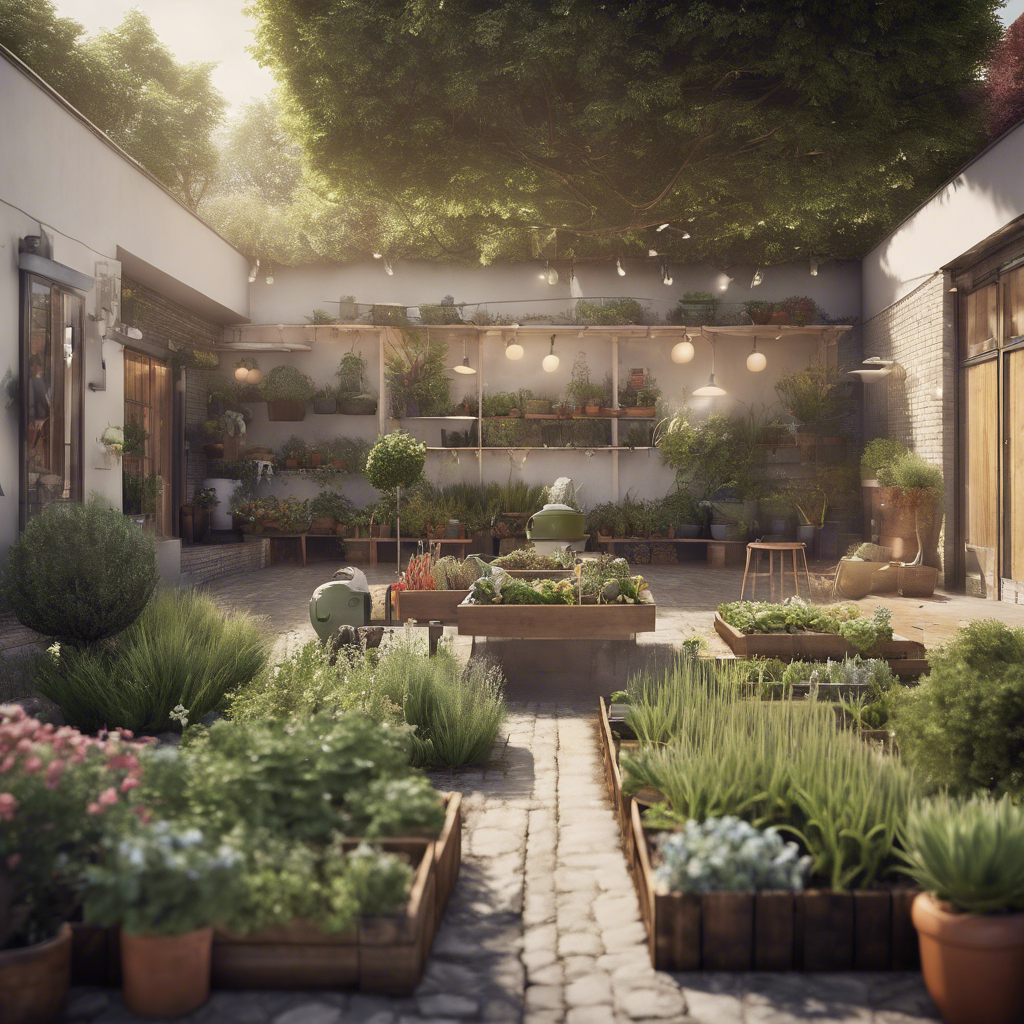
Getting Started: Planning Your Sustainable Garden
1. Choose Native Plants:
Opt for native plants that are well-adapted to your region's climate and soil conditions. Native plants require less water, fertilizer, and maintenance, making them an excellent choice for a sustainable garden.
2. Create a Water-Efficient Design:
Incorporate water-saving features such as rain barrels, drip irrigation systems, and mulch to minimize water wastage and keep your garden hydrated efficiently.
3. Compost Organic Waste:
Start a compost pile to recycle kitchen scraps, garden waste, and other organic materials into nutrient-rich compost. Composting not only reduces waste but also enriches your soil naturally.
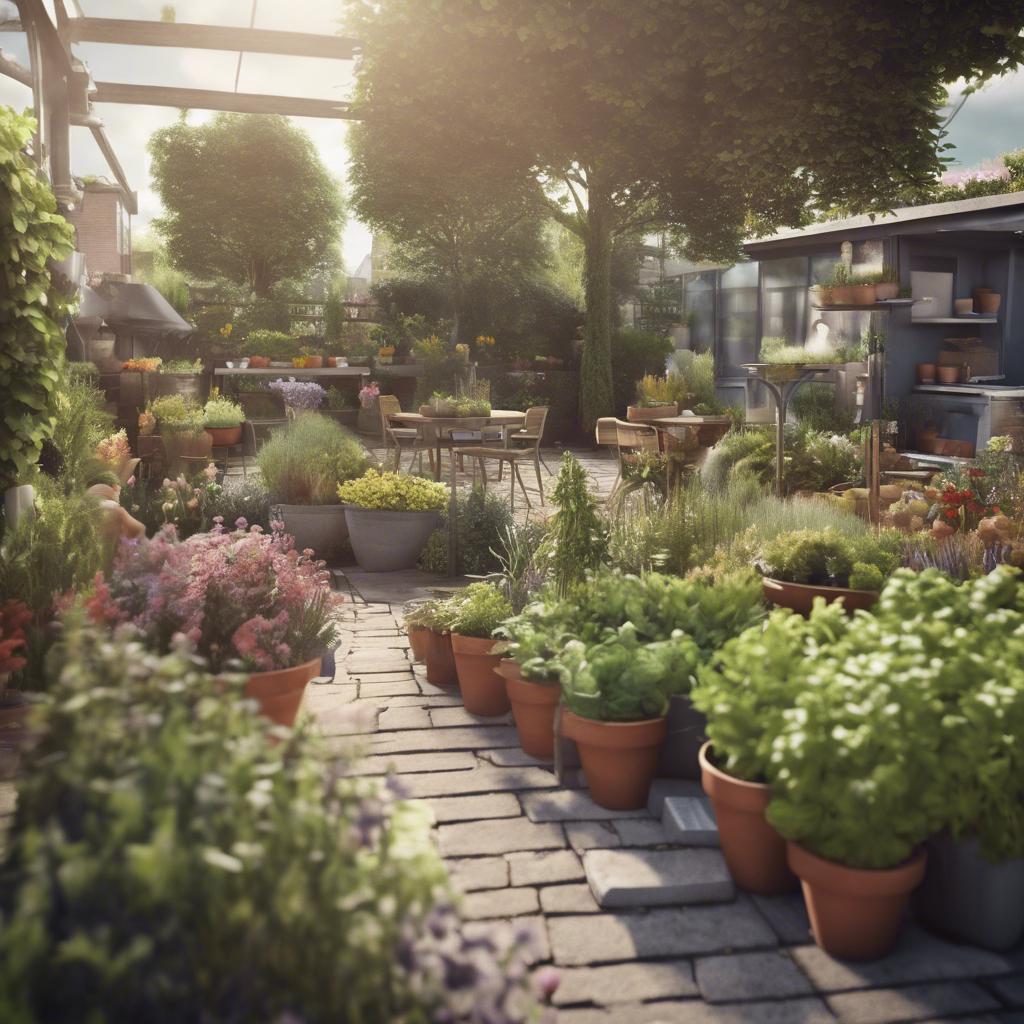
Maintaining Your Sustainable Garden
1. Practice Integrated Pest Management (IPM):
Instead of reaching for chemical pesticides, opt for natural pest control methods such as companion planting, beneficial insects, and organic pest sprays to keep your garden pest-free while protecting beneficial insects.
2. Use Eco-Friendly Mulch:
Mulching your garden beds helps retain moisture, suppress weeds, and improve soil health. Choose organic mulch options like straw, wood chips, or shredded leaves to enhance sustainability.
3. Embrace Seasonal Planting:
Rotate your crops and plant seasonal vegetables and flowers to promote soil health, reduce disease pressure, and maximize your garden's productivity throughout the year.
Additional Tips for a Greener Garden
Install a rain garden to capture and filter rainwater runoff.
Grow your herbs and vegetables to reduce packaging waste.
Attract pollinators by planting nectar-rich flowers.
Implement a greywater system to reuse household water for irrigation.
In Conclusion
Sustainable gardening is not just a trend; it's a mindful approach to nurturing the earth and creating a harmonious garden ecosystem. By following the tips and practices outlined in this guide, you can transform your garden into a sustainable oasis that thrives while protecting the planet. Start your sustainable gardening journey today and reap the rewarding benefits of a greener, healthier garden for years to come.
Let's grow green together!
Whether you're a seasoned gardener or a beginner looking to adopt eco-friendly practices, our sustainable gardening guide is the perfect resource for transforming your garden into a green haven. From choosing native plants to practicing integrated pest management, we've got you covered with all the tips and tricks you need to create a sustainable garden space that thrives while protecting the environment.


Comments